Sunday, February 23, 2014

Sinpo Market/新浦市场/신포시장

Sinpo Market/新浦市场/신포시장                                                                                                                                                                                                  Others
2014/02/24 13:43                                   


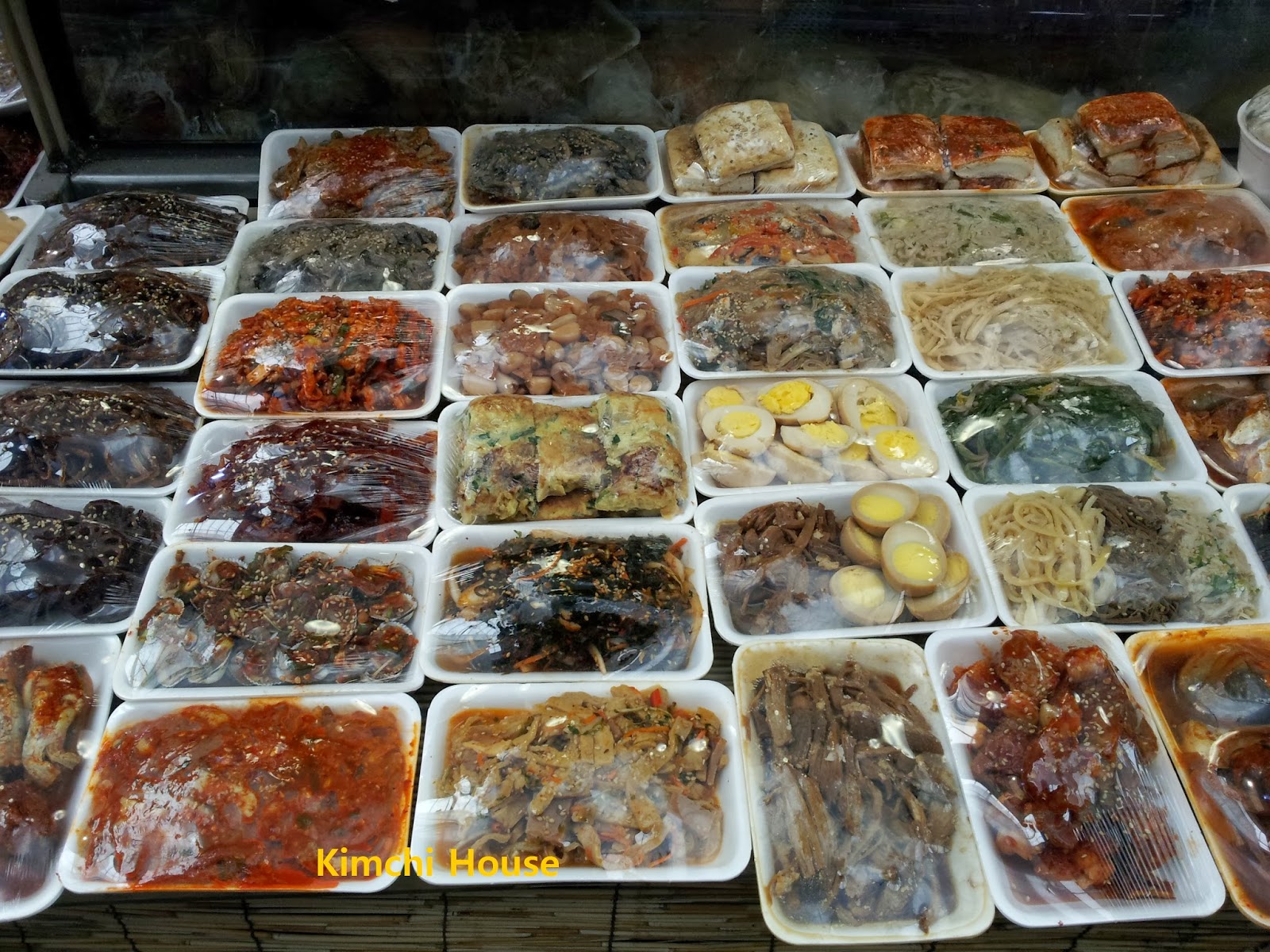
Dear friends,wet markets in Korea are good places to visit too instead of those luxury department stores. Today , I am going to share with you the "Sinpo Market" in Incheon, is not far away from Incheon subway station and Incheon China Town. Sinpo Market is famous for the "닭강정/ dak-gangcheong"/deep-dried & glazed chicken. Furthermore, you will be able to get many kinds of side dishes...
亲爱的朋友们,以其只到韩国国内各大百货公司购物,不如也到国内一些传统市场去逛逛。 今天,将与您分享位于仁川的 “新浦市场“,这市场离仁川地铁站和仁川中国城不远。 新浦市场的 "닭강정/dak-gangcheong"炸鸡块是这市场的美食。 除此之外,在这市场内各种小菜,真是令人看到眼花缭乱。。。

                              Glaze the chicken , this is a very big wok...
                               在一大镬内拌上炸鸡酱料。。。

"Sinpo Market" is located in Incheon, is not far away from the Incheon Subway Station & Incheon China Town. 
位于仁川的“新浦市场”,离仁川地铁站和中国城不远。。


왕만두/wang-mandu/Steamed buns..are very colourful. The green colour one is the mugwort steamed buns,yellow colour one is pumpkin steamed buns, the pink colour is for cherry steamed buns...
各色各样的包子,有艾草包子,南瓜包子,樱桃包子。。


                                      Many kinds of red pepper powder...
                                     各种辣椒粉。。

We call this "Mae-chu", these soybean paste is the main ingredient for making Korean red pepper sauce and soybean sauce...
我们称它为“Mae-chu”,用黄豆制成,是做韩式辣椒酱和酱清的主要用料。。


                                                    Dried fishes...
                                                    嗮乾的海鲜类。。

                                        Many side dishes are available....
                                       各种小菜。。。

                                                Traditional candies...
                                                传统糖果。。。

                                       One of the traditional cookies...
                                       其中一种传统饼干。。

                                        One of the traditional cookies...
                                        其中一种传统饼干。。。

                                                    Side dishes....
                                                    各种小菜。。

                                              Vegetable side dishes...
                                              蔬菜类的小菜。。

                                        Many kinds of side dishes...
                                        各种小菜让君选。。

Have you ever tasted the  spicy"Yangnyeon gejang"/marinated crab...
您可曾嚐过凉拌辣酱鲜螃蟹?

                                  This is "Gochu-jangajji"/pickled green peppers...
                                  辣酱青椒。。


                                       Grind the soybeans for making pancakes...
                                       石磨黄豆,用来炸煎饼。。


                                                     Fried fish cakes..
                                                     各种炸鱼饼。。

One of the traditional cookies, available at a very old bakery shop. l
来自一家老招牌饼家的传统糕点。。

 
              It is really amazing! These are only part of the side dishes available...
              琳琅满目的各种小菜。。

This is a very old bakery shop,try to taste the traditional cookies & candies there if you are there...
若您有机会到这市场,不妨嚐一嚐这老招牌糕点店内的传统糕点和糖果。。


                                      Many kinds of traditional cookies...
                                      各式各样的传统糕点。。

                                                Traditional candies..
                                                传统糖果。。

                                            "Mak-goli steamed cakes "..
                                            “Mak-goli”蒸糕/米酒蒸糕。。

                          What kinds of side dishes would you like to have ^-^
                          可否有合您口味的小菜。。


                                    Dried vegetables are available too...
                                    市场内也售卖一些已晒干的蔬菜类。。


Wednesday, February 19, 2014

Incheon China Town / 仁川中国城/인천차이나타운

The Incheon  Chinatown is the only Chinatown in Korea which developed naturally. With the opening of Incheon Port in 1883,Jogyeji-the old Chinese settlement - was created in 1884, and the business districts began to thrive in the 1900s. At that time, as ships piled between the area and Shantung, the number of Chinese in areas such as today's Bukseong0dong and Seonrin-dong began to increase. The bukseong-dong area came to be called "Cheonggwan Street". In addition,Chinese started selling food items, general goods, salt and grain while purchasing alluvial gold produced in Korea, commercing the expansion of their commercial influence. Cheongwan Street became the largest commercial district in Incheon as Chinese restaurants and trades established therselves in the area..

1883年仁川转变为自由港以后,清朝和1884年在此设置了租借地,从1900年以后,中国商圈
慢慢活跃起来,这里也自然而然地成为国内唯一的中国城,随着山东半岛到仁川的通航,在以现在的北城洞,善隣洞一带为中心的地区居住的华侨数量不断増加,北城洞也从这个时候开始变成为请馆路。 华侨们把从中国运来的食品,杂货,盐,谷物等拿出来卖,然后购买韩国的沙金,商圈发展壮大。在清华馆街上不断聚集了越来越多的中国餐馆,贸易商人,此地也就一举成为仁川地区最大的商圈。。。

(source : Korean-Chinese Cultural Center )

Although the Jajangmyeon that Koreans enjoy today has changed considerably over the years in terms of its ingredients and taste, It has its roots in a dish of China's Shandong region first introduced by Chinese migrants when Incheon Port first opened.
虽然炸酱面的口味已随着时代而改进和变化,它源于中国山东,当年来自山东的劳力工人,在仁川港口开港时将它带入了韩国。。

Incheon Port when Jajang-myeon was first created, It shows blue collar Chinese labourers who were working at the docks putting down their back sacks and having a simple meal of Shandong style " Zha jang mian ".
仁川港开港,来自中国的蓝领工人,暂时歇下脚来享用炸酱面。。。

The Incheon Korean-Chinese Cultural Center was opened on April 16,2005.. It also operates Chinese camp,language classes and special lectures on Chinese culture.Is closed on every Monday and public holidays...
韩中文化馆建于 16-4-2005,举办各种文化活动。每周一和公共假期休馆。。。

At the entrance of a shop which is selling the "공갈빵/Gong-gal-bang".
摄于一糕点店前,售卖“ "공갈빵/Gong-gal-bang".。。

                                         The baker is baking the "공갈빵"...
                                          烘焙师在烘焙糕点。。。


                                       Breads are baked  in a big clay pot...
                                        在一大瓷器甕内烘焙。。。。

                          This is another center where many activities are held....
                          另一文化活动中心。。。


                               At the other entrance of Chinatown,there is an art center...
                               在中国城的另一个入口处附近有一美术馆。。。


                                              History of Chinatown..
                                              中国城的历史写照。。。                                            

                                                History of Chinatown...
                                                中国城的历史写照。。。                                            

                                               History of Chinatown..
                                               中国城的历史写照。。。                                            

                                                History of Chinatown...
                                                中国城的历史写照。。。                                            

                                               History of Chinatown...
                                               中国城的历史写照。。。                                            

                    New Year Greeting from the Chinese Association in Korea..
                                                侨委会的新年贺词。。。

                                   The occupation of Chinese in the past...
                                         昔日,华侨的职业。。。。

                                                             对联。。。

On the street, these 8 words mean that " Food  is the most important for human beings, has to eat it everyday" ^-^
在街上看到了这牌子 ”民以食为天,天天要食“ ^-^

                                                        Street view...
                                                            街景

                                                        Street view..
                                                             街景

                                             The story of Jajang-myeon...
                                                    炸酱面的故事。。。。

Tuesday, February 18, 2014

"Jajang-Myeon Museum"/炸酱面博物馆/짜장면박물관

"Jajang-Myeon Museum"/炸酱面博物馆/짜장면박물관          Others
2014/02/18 17:33  


Dear friends, please don't miss the chance to taste the Jajangmyeon when you visit Korea.Jajang-myeon  museum was established at the China town in Incheon ,April 2012. Share with you some of the pictures that I took,it will help you to know more about Jajang-myeon..

朋友们,若您有机会到韩国来,就请别错过嚐炸酱面。位于仁川的 炸酱面博物馆,建立与 2012年 4 月。与您分享我所拍摄的一些照片,让您对炸酱面有更深一层的了解。。。

Jajangmyeon (자장면; 짜장면; jjajangmyeon), is a noodle dish topped with a thick sauce made of chunjang (a salty black soybean paste), diced pork and vegetables, and sometimes also seafoodJajang (alternately spelledjjajang), the name of the sauce, is the Korean pronunciation of the Chinese characters , which literally means "fried sauce." Myeon (also spelled myun) means "noodle".
The dish originated from zhajiangmian (, literally "fried sauce noodles") in China's Shandong region. The pronunciation of the dish's name is nearly identical to that of its Korean counterpart. But Korean jajangmyeondiffers from Chinese zhajiangmian, as Korean jjajangmyeon uses black Korean chunjang including caramel, andonions.
Jajangmyeon uses thick noodles made from white wheat flour. The noodles, which are made entirely by hand and not by machines, are called sutamyeon (수타면; 手打麵) are praised in South Korea as an essential ingredient of good jajangmyeon.
The sauce is made with a dark soybean paste. This paste, which is made from roasted soybeans and caramel, is called chunjang (literally "spring paste", hangul: 춘장; Chinese: ) when unheated, while the heated sauce (containing vegetables and meat or seafood) is called jjajang (literally "fried sauce"). Chunjang is stir-fried with diced onions, ground meat (either beef or pork) or chopped seafood, and other ingredients. The meat stock is added to reduce the salty taste, and potato starch or cornstarch is added to give the sauce a thick consistency. The sauce is served hot over noodles, sometimes with sliced raw cucumbers. The same sauce is also used to make jajangbap (rice served with the sauce) and jajangtteokbokki (tteokbokki made with the sauce instead of the usual spicy sauce).
Variations of the jajangmyeon dish include ganjajangmyeon (간자장면), which is jajangmyeon served with thejajang sauce without the starch, with the sauce and noodles being served separately in different bowls, andsamseon jajangmyeon (삼선자장면; 三鮮炸醬麵), which incorporates seafood such as squidshrimpsea cucumber, and others (but never fish). Samseon ganjajangmyeon (삼선간자장면; 三鮮간炸醬麵) consists of noodles served with sauce, which contains seafood on the side. Jajangbap is essentially the same dish asjajangmyeon, but made with rice instead of noodles.

炸醬麵是指一种面条食用方法,用煮麵條和炸醬相混合,食用时将面条和炸醬混合均匀.
韓國的炸醬麵,是由華僑帶入韓國,以春醬黑豆醬)為調味料,加上洋蔥肉類等。風味獨特,已經自成一格。
(source:wikipedia)

              Jajang-myeon Museum, a mini museum. Established in April,2012.
              迷你炸酱面博物馆,建立于2012年4月。


             Blue collar labourers were eating the Jajang-myeon in the past.
             昔日,蓝领阶级的劳工在享用炸酱面。


                               Enjoyed the Jajang-myeon at the Chinese restaurant...
                               在中华料理餐馆享用炸酱面。。


                                 Street vendor was selling the Jajang-myeon..
                                 在街边售卖炸酱面的小贩。。

                                Food carriers for delivering the Jajang-myeon...
                                用来装炸酱面外卖的箱子。。。

                                      Jajang-myeon dishes in the past....
                                      昔日用来装炸酱面的碗碟。。

                                          The inner part of the food carriers...
                                           外卖箱的内部。。。

In the past, the owner of the restaurant rode the bicycle for delivering Jajang-myeon...
昔日,餐馆的主人是骑自行车送外卖。。

Jajang-myeon is the favourite food for the students in the past...now too!
自古至今,炸酱面是学生们爱吃的面食。。。

                                 Cooking ustensil for Jajang-myeon...
                                 煮炸酱面所用的厨房道具。。


The prices of the Chinese food,fixed by the Chinese Food Association in Incheon in the past. One bowl of Jajang-myeon was only 150 Korean won...
昔日,由仁川中华料食业商会所定的中华料理价格表。当时,一碗的炸酱面的售价是韩币 150.元。。

                                Instant Jajang-myeon in 1990s & 2000s..
                                1990 & 2000 年代的快熟炸酱面。。。

                                 Instant Jajang-myeon in 1970s & 1980s..
                                1970 & 1980 年代的快熟炸酱面。。。

                                            Instant Jajang-myeon...
                                            快熟炸酱面。。

Now, the delivery man rides the motor bike instead of bicycle for delivering Jajang-myeon..
现今,送炸酱面外卖时,不再是骑自行车,而是电单车。。

                                   The big wok for cooking Jajang-myeon..
                                  煮炸酱面所用的大镬。。

                                   The chef is cooking the Jajang-myeon...
                                   厨师在煮炸酱面。。。

In Korea,14th of March is the "Black Day " ( unofficially ), everybody enjoys the Jajang-myeon..
在韩国,3月14日是 “黑色节日” (非公式),这一天人人享用炸酱面。。