Showing posts with label Rice/Noodles. Show all posts

Saturday, February 24, 2024

五谷饭/"Five Grains Rice"/ 오곡밥


 五谷饭/Rice with five grains / 오곡밥

On the Daeboreum (literally "Great Full Moon") is a Korean festival that celebrates the first full moon of the new year of the lunar Korean calendar.
Daeboreum (literally "Great Full Moon") is a Korean holiday that celebrates the first full moon of the new year of the lunar Korean calendar which is the Korean version of the First Full Moon Festival. This holiday is accompanied by many traditions. This year, it falls on the 24th Feb 2024 .
For breakfast on Daeboreum, Ogokbap (오곡밥 / 五穀밥), a five-"grain" rice consisting of rice, millet, Indian millet, beans, and red beans is served . This is eaten with various dried herbs. One of the special foods of Daeboreum is Yaksik (약식 / 藥食). This treat is made of glutinous rice, chestnuts, pine nuts, honey, sauce, and sesame oil. Also there is drinking for Daeboreum. It called 'Ear-quickening wine(귀밝이술)'. This alcohol means that if someone drank this alcohol, he or she would be quick to hear and hear good news for one year.
One familiar custom is to crack nuts with one's teeth. It is believed that this practice will help keep one's teeth healthy for the year.
In the countryside, people climb mountains, braving cold weather, trying to catch the first rise of the moon. It is said that the first person to see the moon rise will have good luck all year or a wish will be granted.
Historically, people played the traditional game named Jwibulnori (쥐불놀이) the night before Daeboreum. They burned the dry grass on ridges between rice fields while children whirled around cans full of holes, through which charcoal fire blazed. These cans fertilized the fields and got rid of harmful worms that destroyed the new crops.
大滿月(朝鮮語:대보름),全稱正月大滿月(朝鮮語:정월대만월)、正月大보름(朝鮮語:정월대보름,「보름」為固有詞,月圓、望日之意),是朝鲜的傳統節日,又稱上元(상원)、元宵(원소)、元夕(원석)、烏忌日(오기일),每年農曆正月十五舉行,當天有很多慶祝活動。
在這一天人們食用各種應節食品,包括五穀飯、藥食、乾菜等。人們早上空腹喝「耳明酒」,祈求不生耳疾,又可以一年都聽到好消息。然後嚼醉乾果再吐出來,相傳可以治皮膚病。其他還有用紫菜或蔬菜包飯吃(稱為福裹),以及用牙咬開堅果以鞏固牙齒。
在郊外,人們會冒寒風爬山,第一個看見月亮的人會得到好運或達成願望。他們會串門,向鄰人「賣熱」,以期望涼快的夏天。晚上又會焚燒用松樹枝條堆成的「月亮屋」。在節日前夕農民也會在阡陌上焚燒乾草,給土地辟蟲添肥,這兩種都是源自點火把驅蟲祈福的習俗。放風箏象徵不幸隨風而逝,而婦女們則會玩踩橋的遊戲。
정월 대보름(正月 大보름) 또는 대보름은 음력 1월 15일로, 오기일(烏忌日)이라고도 하며, 한자어로는 '상원(上元)'이라고 한다. '상원'은 도교적인 명칭으로, 삼원(상원, 중원, 하원) 중 첫 번째이다. 새해 들어 처음 맞이하는 보름날로서 농사의 시작일이라 하여 매우 큰 명절로 여겼다. 대보름 전날인 음력 14일과 당일에는 여러 곳에서 새해의 운수에 관한 여러 풍습들을 행한다.
대보름에 차려 먹는 절식으로는 부럼·귀밝이술 외에도 약밥·오곡밥·묵은 나물과 복쌈 등이 있다. 또 고사리·버섯·오이고지·호박고지·가지껍질·무시래기 등 햇볕에 말린 묵은 나물을 물에 잘 씻어서 먹으면 여름에 더위를 먹지 않고 건강하게 지낸다고 한다.
부럼 - 정월 보름날 새벽에는 부스럼이 생기지 말라는 의미에서 밤·잣·호두 등 단단한 견과류의 부럼을 먹는다. 이때 부럼(주로 밤의 껍질을 직접 깨물어 먹음.
오곡밥 - 쌀, 보리, 조, 수수, 팥 등의 다섯 가지 이상의 곡물을 섞어 지은 오곡밥을 먹음.
진채식 - 무, 오이, 호박, 박, 가지, 버섯, 고사리 등을 말려둔 것을 먹는다. 여러 집에서 아홉 가지 나물을 아홉 번, 또는 열 가지 나물을 먹기도 함.
약밥 - 물에 불린 찹쌀을 시루에 찐 뒤 꿀이나 설탕·참기름·대추 등을 쪄서 거른 것을 섞고, 다시 진간장·밤·대추·계피·곶감·잣 등을 넣어 시루에 찐 밥을 말함.
복쌈 - 밥을 김이나 취나무, 배추잎에 싸서 먹는다. 여러개를 만들어 그릇에 높이 쌓아서 성주님께 올린 다음 먹으면 복이 있다고 함.
귀밝이술 - 보름날 새벽에 데우지 않은 찬술을 남녀구별 없이 조금씩 마심.
솔떡 - 솔을 깔고 떡을 쪄서 나누어 먹음.
대보름날에는 세 집 이상 성이 다른 집 밥을 먹어야 그 해의 운이 좋다고 하였다. 그래서 하루 세번 먹는 밥을 이 날은 아홉 번 먹어야 좋다고 믿음.
( sources : wikipedia )

Sunday, July 30, 2023

Lotus Leaf Rice/莲叶饭/연잎밥

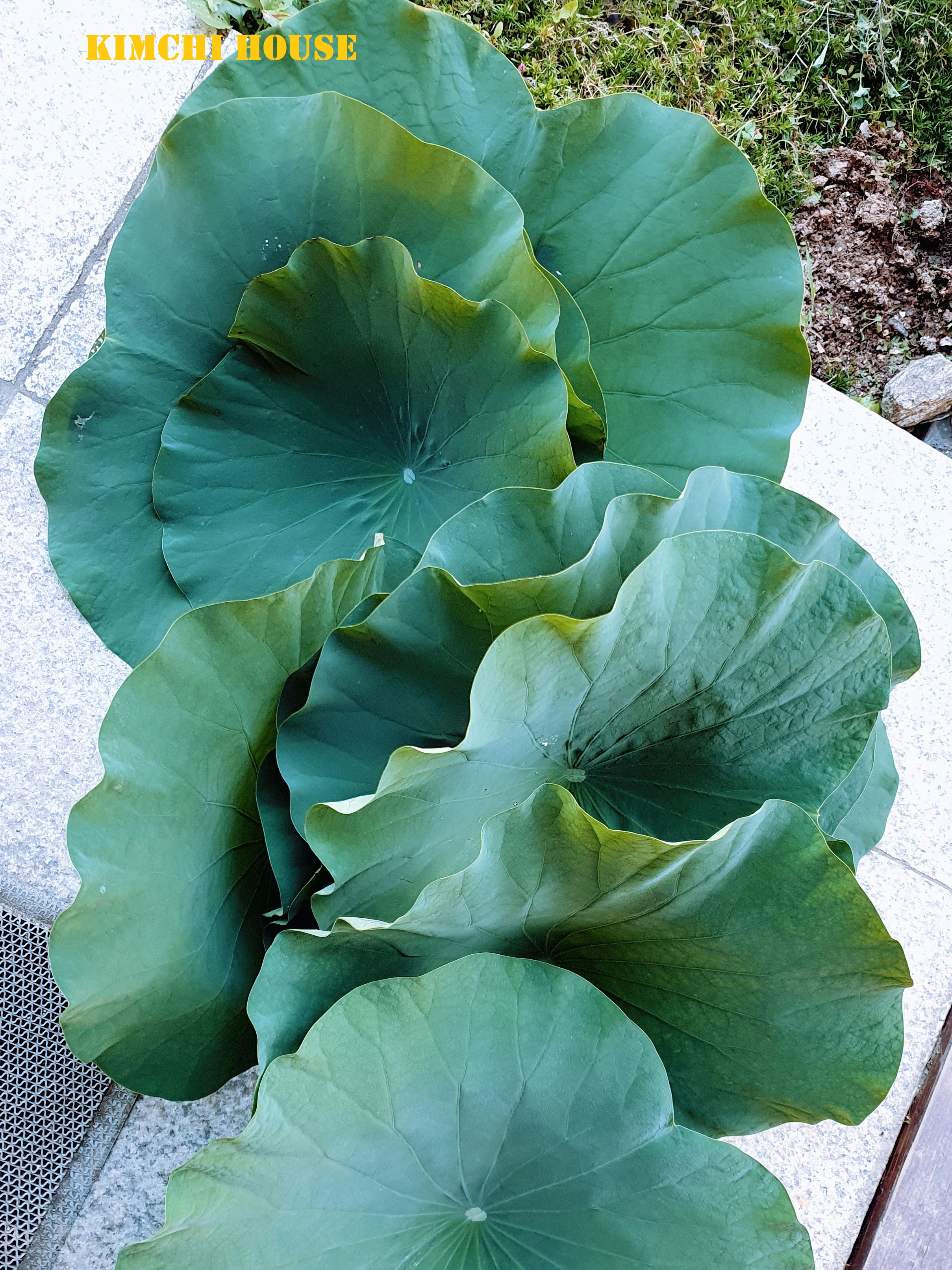
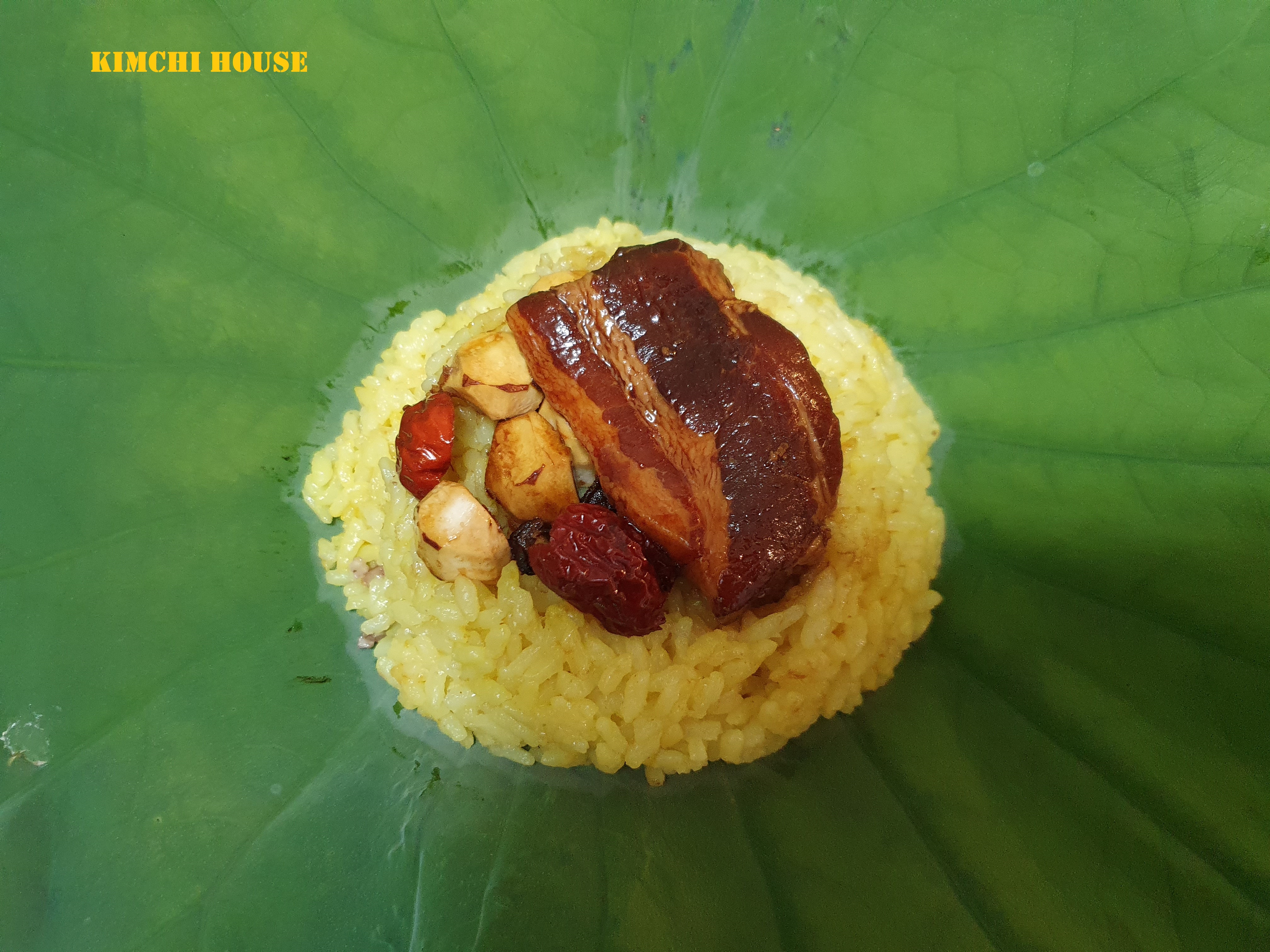
Picked some of the lotus leaves from the pond, make the lotus leaf rice~~

从莲花池内摘下一些叶子,做了莲叶饭~~ 


Friday, February 3, 2023

五谷饭/Rice with five grains / 오곡밥~~2023


五谷饭/Rice with five grains / 오곡밥

On the Daeboreum (literally "Great Full Moon") is a Korean festival that celebrates the first full moon of the new year of the lunar Korean calendar.
Daeboreum (literally "Great Full Moon") is a Korean holiday that celebrates the first full moon of the new year of the lunar Korean calendar which is the Korean version of the First Full Moon Festival. This holiday is accompanied by many traditions. This year, it falls on the 5th Feb 2023.
For breakfast on Daeboreum, Ogokbap (오곡밥 / 五穀밥), a five-"grain" rice consisting of rice, millet, Indian millet, beans, and red beans is served . This is eaten with various dried herbs. One of the special foods of Daeboreum is Yaksik (약식 / 藥食). This treat is made of glutinous rice, chestnuts, pine nuts, honey, sauce, and sesame oil. Also there is drinking for Daeboreum. It called 'Ear-quickening wine(귀밝이술)'. This alcohol means that if someone drank this alcohol, he or she would be quick to hear and hear good news for one year.
One familiar custom is to crack nuts with one's teeth. It is believed that this practice will help keep one's teeth healthy for the year.
In the countryside, people climb mountains, braving cold weather, trying to catch the first rise of the moon. It is said that the first person to see the moon rise will have good luck all year or a wish will be granted.
Historically, people played the traditional game named Jwibulnori (쥐불놀이) the night before Daeboreum. They burned the dry grass on ridges between rice fields while children whirled around cans full of holes, through which charcoal fire blazed. These cans fertilized the fields and got rid of harmful worms that destroyed the new crops.
大滿月(朝鮮語:대보름),全稱正月大滿月(朝鮮語:정월대만월)、正月大보름(朝鮮語:정월대보름,「보름」為固有詞,月圓、望日之意),是朝鲜的傳統節日,又稱上元(상원)、元宵(원소)、元夕(원석)、烏忌日(오기일),每年農曆正月十五舉行,當天有很多慶祝活動。
在這一天人們食用各種應節食品,包括五穀飯、藥食、乾菜等。人們早上空腹喝「耳明酒」,祈求不生耳疾,又可以一年都聽到好消息。然後嚼醉乾果再吐出來,相傳可以治皮膚病。其他還有用紫菜或蔬菜包飯吃(稱為福裹),以及用牙咬開堅果以鞏固牙齒。
在郊外,人們會冒寒風爬山,第一個看見月亮的人會得到好運或達成願望。他們會串門,向鄰人「賣熱」,以期望涼快的夏天。晚上又會焚燒用松樹枝條堆成的「月亮屋」。在節日前夕農民也會在阡陌上焚燒乾草,給土地辟蟲添肥,這兩種都是源自點火把驅蟲祈福的習俗。放風箏象徵不幸隨風而逝,而婦女們則會玩踩橋的遊戲。
정월 대보름(正月 大보름) 또는 대보름은 음력 1월 15일로, 오기일(烏忌日)이라고도 하며, 한자어로는 '상원(上元)'이라고 한다. '상원'은 도교적인 명칭으로, 삼원(상원, 중원, 하원) 중 첫 번째이다. 새해 들어 처음 맞이하는 보름날로서 농사의 시작일이라 하여 매우 큰 명절로 여겼다. 대보름 전날인 음력 14일과 당일에는 여러 곳에서 새해의 운수에 관한 여러 풍습들을 행한다.
대보름에 차려 먹는 절식으로는 부럼·귀밝이술 외에도 약밥·오곡밥·묵은 나물과 복쌈 등이 있다. 또 고사리·버섯·오이고지·호박고지·가지껍질·무시래기 등 햇볕에 말린 묵은 나물을 물에 잘 씻어서 먹으면 여름에 더위를 먹지 않고 건강하게 지낸다고 한다.
부럼 - 정월 보름날 새벽에는 부스럼이 생기지 말라는 의미에서 밤·잣·호두 등 단단한 견과류의 부럼을 먹는다. 이때 부럼(주로 밤의 껍질을 직접 깨물어 먹음.
오곡밥 - 쌀, 보리, 조, 수수, 팥 등의 다섯 가지 이상의 곡물을 섞어 지은 오곡밥을 먹음.
진채식 - 무, 오이, 호박, 박, 가지, 버섯, 고사리 등을 말려둔 것을 먹는다. 여러 집에서 아홉 가지 나물을 아홉 번, 또는 열 가지 나물을 먹기도 함.
약밥 - 물에 불린 찹쌀을 시루에 찐 뒤 꿀이나 설탕·참기름·대추 등을 쪄서 거른 것을 섞고, 다시 진간장·밤·대추·계피·곶감·잣 등을 넣어 시루에 찐 밥을 말함.
복쌈 - 밥을 김이나 취나무, 배추잎에 싸서 먹는다. 여러개를 만들어 그릇에 높이 쌓아서 성주님께 올린 다음 먹으면 복이 있다고 함.
귀밝이술 - 보름날 새벽에 데우지 않은 찬술을 남녀구별 없이 조금씩 마심.
솔떡 - 솔을 깔고 떡을 쪄서 나누어 먹음.
대보름날에는 세 집 이상 성이 다른 집 밥을 먹어야 그 해의 운이 좋다고 하였다. 그래서 하루 세번 먹는 밥을 이 날은 아홉 번 먹어야 좋다고 믿음.
( sources : wikipedia )


Monday, September 5, 2022

Lotus Leaf Rice / 荷叶饭 / 연잎밥

Dear friends, share with you the lotus leaf rice by using the lotus leaf from garden~~

                       亲爱的朋友们,与您分享采用院子里的莲叶所做的莲叶饭~~

The similar recipe is available at http://kkimchi88.blogspot.com/2016/08/lotus-leaf-rice.html


Sunday, February 13, 2022

五谷饭/Rice with five grains / 오곡밥~~2022


 五谷饭/Rice with five grains / 오곡밥...2022

On the Daeboreum (literally "Great Full Moon") is a Korean festival that celebrates the first full moon of the new year of the lunar Korean calendar.
Daeboreum (literally "Great Full Moon") is a Korean holiday that celebrates the first full moon of the new year of the lunar Korean calendar which is the Korean version of the First Full Moon Festival. This holiday is accompanied by many traditions. This year, it falls on the 11th Feb 2017.
For breakfast on Daeboreum, Ogokbap (오곡밥 / 五穀밥), a five-"grain" rice consisting of rice, millet, Indian millet, beans, and red beans is served . This is eaten with various dried herbs. One of the special foods of Daeboreum is Yaksik (약식 / 藥食). This treat is made of glutinous rice, chestnuts, pine nuts, honey, sauce, and sesame oil. Also there is drinking for Daeboreum. It called 'Ear-quickening wine(귀밝이술)'. This alcohol means that if someone drank this alcohol, he or she would be quick to hear and hear good news for one year.
One familiar custom is to crack nuts with one's teeth. It is believed that this practice will help keep one's teeth healthy for the year.
In the countryside, people climb mountains, braving cold weather, trying to catch the first rise of the moon. It is said that the first person to see the moon rise will have good luck all year or a wish will be granted.
Historically, people played the traditional game named Jwibulnori (쥐불놀이) the night before Daeboreum. They burned the dry grass on ridges between rice fields while children whirled around cans full of holes, through which charcoal fire blazed. These cans fertilized the fields and got rid of harmful worms that destroyed the new crops.
大滿月(朝鮮語:대보름),全稱正月大滿月(朝鮮語:정월대만월)、正月大보름(朝鮮語:정월대보름,「보름」為固有詞,月圓、望日之意),是朝鲜的傳統節日,又稱上元(상원)、元宵(원소)、元夕(원석)、烏忌日(오기일),每年農曆正月十五舉行,當天有很多慶祝活動。
在這一天人們食用各種應節食品,包括五穀飯、藥食、乾菜等。人們早上空腹喝「耳明酒」,祈求不生耳疾,又可以一年都聽到好消息。然後嚼醉乾果再吐出來,相傳可以治皮膚病。其他還有用紫菜或蔬菜包飯吃(稱為福裹),以及用牙咬開堅果以鞏固牙齒。
在郊外,人們會冒寒風爬山,第一個看見月亮的人會得到好運或達成願望。他們會串門,向鄰人「賣熱」,以期望涼快的夏天。晚上又會焚燒用松樹枝條堆成的「月亮屋」。在節日前夕農民也會在阡陌上焚燒乾草,給土地辟蟲添肥,這兩種都是源自點火把驅蟲祈福的習俗。放風箏象徵不幸隨風而逝,而婦女們則會玩踩橋的遊戲。
정월 대보름(正月 大보름) 또는 대보름은 음력 1월 15일로, 오기일(烏忌日)이라고도 하며, 한자어로는 '상원(上元)'이라고 한다. '상원'은 도교적인 명칭으로, 삼원(상원, 중원, 하원) 중 첫 번째이다. 새해 들어 처음 맞이하는 보름날로서 농사의 시작일이라 하여 매우 큰 명절로 여겼다. 대보름 전날인 음력 14일과 당일에는 여러 곳에서 새해의 운수에 관한 여러 풍습들을 행한다.
대보름에 차려 먹는 절식으로는 부럼·귀밝이술 외에도 약밥·오곡밥·묵은 나물과 복쌈 등이 있다. 또 고사리·버섯·오이고지·호박고지·가지껍질·무시래기 등 햇볕에 말린 묵은 나물을 물에 잘 씻어서 먹으면 여름에 더위를 먹지 않고 건강하게 지낸다고 한다.
부럼 - 정월 보름날 새벽에는 부스럼이 생기지 말라는 의미에서 밤·잣·호두 등 단단한 견과류의 부럼을 먹는다. 이때 부럼(주로 밤의 껍질을 직접 깨물어 먹음.
오곡밥 - 쌀, 보리, 조, 수수, 팥 등의 다섯 가지 이상의 곡물을 섞어 지은 오곡밥을 먹음.
진채식 - 무, 오이, 호박, 박, 가지, 버섯, 고사리 등을 말려둔 것을 먹는다. 여러 집에서 아홉 가지 나물을 아홉 번, 또는 열 가지 나물을 먹기도 함.
약밥 - 물에 불린 찹쌀을 시루에 찐 뒤 꿀이나 설탕·참기름·대추 등을 쪄서 거른 것을 섞고, 다시 진간장·밤·대추·계피·곶감·잣 등을 넣어 시루에 찐 밥을 말함.
복쌈 - 밥을 김이나 취나무, 배추잎에 싸서 먹는다. 여러개를 만들어 그릇에 높이 쌓아서 성주님께 올린 다음 먹으면 복이 있다고 함.
귀밝이술 - 보름날 새벽에 데우지 않은 찬술을 남녀구별 없이 조금씩 마심.
솔떡 - 솔을 깔고 떡을 쪄서 나누어 먹음.
대보름날에는 세 집 이상 성이 다른 집 밥을 먹어야 그 해의 운이 좋다고 하였다. 그래서 하루 세번 먹는 밥을 이 날은 아홉 번 먹어야 좋다고 믿음.
( sources : wikipedia )

Saturday, September 18, 2021

Lotus Leaf Rice / 荷叶饭 / 연잎밥

Dear friends, share with you the lotus leaf rice by using the lotus leaf from garden~~

亲爱的朋友们,与您分享采用院子里的莲叶所做的莲叶饭~~

The similar recipe is available at http://kkimchi88.blogspot.com/2016/08/lotus-leaf-rice.html


Thursday, February 25, 2021

五谷饭/Rice with five grains / 오곡밥~~2021


 五谷饭/Rice with five grains / 오곡밥~~2021

On the Daeboreum (literally "Great Full Moon") is a Korean festival that celebrates the first full moon of the new year of the lunar Korean calendar.

Daeboreum (literally "Great Full Moon") is a Korean holiday that celebrates the first full moon of the new year of the lunar Korean calendar which is the Korean version of the First Full Moon Festival. This holiday is accompanied by many traditions. This year, it falls on the 25th Feb 2021

For breakfast on Daeboreum, Ogokbap (오곡밥 / 五穀밥), a five-"grain" rice consisting of rice, millet, Indian millet, beans, and red beans is served . This is eaten with various dried herbs. One of the special foods of Daeboreum is Yaksik (약식 / 藥食). This treat is made of glutinous rice, chestnuts, pine nuts, honey, sauce, and sesame oil. Also there is drinking for Daeboreum. It called 'Ear-quickening wine(귀밝이술)'. This alcohol means that if someone drank this alcohol, he or she would be quick to hear and hear good news for one year.

One familiar custom is to crack nuts with one's teeth. It is believed that this practice will help keep one's teeth healthy for the year.

In the countryside, people climb mountains, braving cold weather, trying to catch the first rise of the moon. It is said that the first person to see the moon rise will have good luck all year or a wish will be granted.

Historically, people played the traditional game named Jwibulnori (쥐불놀이) the night before Daeboreum. They burned the dry grass on ridges between rice fields while children whirled around cans full of holes, through which charcoal fire blazed. These cans fertilized the fields and got rid of harmful worms that destroyed the new crops.

大滿月(朝鮮語:대보름),全稱正月大滿月(朝鮮語:정월대만월)、正月大보름(朝鮮語:정월대보름,「보름」為固有詞,月圓、望日之意),是朝鲜的傳統節日,又稱上元(상원)、元宵(원소)、元夕(원석)、烏忌日(오기일),每年農曆正月十五舉行,當天有很多慶祝活動。

在這一天人們食用各種應節食品,包括五穀飯、藥食、乾菜等。人們早上空腹喝「耳明酒」,祈求不生耳疾,又可以一年都聽到好消息。然後嚼醉乾果再吐出來,相傳可以治皮膚病。其他還有用紫菜或蔬菜包飯吃(稱為福裹),以及用牙咬開堅果以鞏固牙齒。

在郊外,人們會冒寒風爬山,第一個看見月亮的人會得到好運或達成願望。他們會串門,向鄰人「賣熱」,以期望涼快的夏天。晚上又會焚燒用松樹枝條堆成的「月亮屋」。在節日前夕農民也會在阡陌上焚燒乾草,給土地辟蟲添肥,這兩種都是源自點火把驅蟲祈福的習俗。放風箏象徵不幸隨風而逝,而婦女們則會玩踩橋的遊戲。

정월 대보름(正月 大보름) 또는 대보름은 음력 1월 15일로, 오기일(烏忌日)이라고도 하며, 한자어로는 '상원(上元)'이라고 한다. '상원'은 도교적인 명칭으로, 삼원(상원, 중원, 하원) 중 첫 번째이다. 새해 들어 처음 맞이하는 보름날로서 농사의 시작일이라 하여 매우 큰 명절로 여겼다. 대보름 전날인 음력 14일과 당일에는 여러 곳에서 새해의 운수에 관한 여러 풍습들을 행한다.

대보름에 차려 먹는 절식으로는 부럼·귀밝이술 외에도 약밥·오곡밥·묵은 나물과 복쌈 등이 있다. 또 고사리·버섯·오이고지·호박고지·가지껍질·무시래기 등 햇볕에 말린 묵은 나물을 물에 잘 씻어서 먹으면 여름에 더위를 먹지 않고 건강하게 지낸다고 한다.

부럼 - 정월 보름날 새벽에는 부스럼이 생기지 말라는 의미에서 밤·잣·호두 등 단단한 견과류의 부럼을 먹는다. 이때 부럼(주로 밤의 껍질을 직접 깨물어 먹음.

오곡밥 - 쌀, 보리, 조, 수수, 팥 등의 다섯 가지 이상의 곡물을 섞어 지은 오곡밥을 먹음.

진채식 - 무, 오이, 호박, 박, 가지, 버섯, 고사리 등을 말려둔 것을 먹는다. 여러 집에서 아홉 가지 나물을 아홉 번, 또는 열 가지 나물을 먹기도 함.

약밥 - 물에 불린 찹쌀을 시루에 찐 뒤 꿀이나 설탕·참기름·대추 등을 쪄서 거른 것을 섞고, 다시 진간장·밤·대추·계피·곶감·잣 등을 넣어 시루에 찐 밥을 말함.

복쌈 - 밥을 김이나 취나무, 배추잎에 싸서 먹는다. 여러개를 만들어 그릇에 높이 쌓아서 성주님께 올린 다음 먹으면 복이 있다고 함.

귀밝이술 - 보름날 새벽에 데우지 않은 찬술을 남녀구별 없이 조금씩 마심.

솔떡 - 솔을 깔고 떡을 쪄서 나누어 먹음.

대보름날에는 세 집 이상 성이 다른 집 밥을 먹어야 그 해의 운이 좋다고 하였다. 그래서 하루 세번 먹는 밥을 이 날은 아홉 번 먹어야 좋다고 믿음.

( sources : wikipedia )


Monday, August 26, 2019

"Kko Mak Bibimbin Bab"/血蚶拌饭/꼬막비빔밥

Dear friends, I believe that many of you like the Korean bibimbin bab,have you ever tasted the "Kko Mak Bibimbin Bab/Blood clam bibimbin bab"?
In Korean,  꼬막 " Kko Mak " is Blood Cockle or Blood Clam. The blood cockle is the main  variety raised in  , in Jeollanam Do Province전라남도. 

Tegillarca granosa (also known as Anadara granosa) is a species of ark clam known as the blood cockle or blood clam due to the red haemoglobin liquid inside the soft tissues. 

在韩文,꼬막 " Kko Mak "是 血蚶”(Blood cockle, blood clam)。位于韩国全罗南道的별교읍 (Beolgyo-eup , 邑)是盛产血蚶的地方。
泥蚶Tegillarca granosaAnadara granosa,又名“血蚶”(Blood cockle),英文俗称Ark shell
(source: wikipedia)

亲爱的朋友们,我相信很多的朋友们都喜欢韩式拌饭,您可曾享用过血蚶拌饭?


Sunday, February 17, 2019

五谷饭/Rice with five grains / 오곡밥~~2019

五谷饭/Rice with five grains / 오곡밥...2019

On the Daeboreum (literally "Great Full Moon") is a Korean festival that celebrates the first full moon of the new year of the lunar Korean calendar.
Daeboreum (literally "Great Full Moon") is a Korean holiday that celebrates the first full moon of the new year of the lunar Korean calendar which is the Korean version of the First Full Moon Festival. This holiday is accompanied by many traditions. This year, it falls on the 19th Feb 2019.
For breakfast on Daeboreum, Ogokbap (오곡밥 / 五穀밥), a five-"grain" rice consisting of rice, millet, Indian millet, beans, and red beans is served . This is eaten with various dried herbs. One of the special foods of Daeboreum is Yaksik (약식 / 藥食). This treat is made of glutinous rice, chestnuts, pine nuts, honey, sauce, and sesame oil. Also there is drinking for Daeboreum. It called 'Ear-quickening wine(귀밝이술)'. This alcohol means that if someone drank this alcohol, he or she would be quick to hear and hear good news for one year.
One familiar custom is to crack nuts with one's teeth. It is believed that this practice will help keep one's teeth healthy for the year.
In the countryside, people climb mountains, braving cold weather, trying to catch the first rise of the moon. It is said that the first person to see the moon rise will have good luck all year or a wish will be granted.
Historically, people played the traditional game named Jwibulnori (쥐불놀이) the night before Daeboreum. They burned the dry grass on ridges between rice fields while children whirled around cans full of holes, through which charcoal fire blazed. These cans fertilized the fields and got rid of harmful worms that destroyed the new crops.
大滿月(朝鮮語:대보름),全稱正月大滿月(朝鮮語:정월대만월)、正月大보름(朝鮮語:정월대보름,「보름」為固有詞,月圓、望日之意),是朝鲜的傳統節日,又稱上元(상원)、元宵(원소)、元夕(원석)、烏忌日(오기일),每年農曆正月十五舉行,當天有很多慶祝活動。
在這一天人們食用各種應節食品,包括五穀飯、藥食、乾菜等。人們早上空腹喝「耳明酒」,祈求不生耳疾,又可以一年都聽到好消息。然後嚼醉乾果再吐出來,相傳可以治皮膚病。其他還有用紫菜或蔬菜包飯吃(稱為福裹),以及用牙咬開堅果以鞏固牙齒。
在郊外,人們會冒寒風爬山,第一個看見月亮的人會得到好運或達成願望。他們會串門,向鄰人「賣熱」,以期望涼快的夏天。晚上又會焚燒用松樹枝條堆成的「月亮屋」。在節日前夕農民也會在阡陌上焚燒乾草,給土地辟蟲添肥,這兩種都是源自點火把驅蟲祈福的習俗。放風箏象徵不幸隨風而逝,而婦女們則會玩踩橋的遊戲。
정월 대보름(正月 大보름) 또는 대보름은 음력 1월 15일로, 오기일(烏忌日)이라고도 하며, 한자어로는 '상원(上元)'이라고 한다. '상원'은 도교적인 명칭으로, 삼원(상원, 중원, 하원) 중 첫 번째이다. 새해 들어 처음 맞이하는 보름날로서 농사의 시작일이라 하여 매우 큰 명절로 여겼다. 대보름 전날인 음력 14일과 당일에는 여러 곳에서 새해의 운수에 관한 여러 풍습들을 행한다.
대보름에 차려 먹는 절식으로는 부럼·귀밝이술 외에도 약밥·오곡밥·묵은 나물과 복쌈 등이 있다. 또 고사리·버섯·오이고지·호박고지·가지껍질·무시래기 등 햇볕에 말린 묵은 나물을 물에 잘 씻어서 먹으면 여름에 더위를 먹지 않고 건강하게 지낸다고 한다.
부럼 - 정월 보름날 새벽에는 부스럼이 생기지 말라는 의미에서 밤·잣·호두 등 단단한 견과류의 부럼을 먹는다. 이때 부럼(주로 밤의 껍질을 직접 깨물어 먹음.
오곡밥 - 쌀, 보리, 조, 수수, 팥 등의 다섯 가지 이상의 곡물을 섞어 지은 오곡밥을 먹음.
진채식 - 무, 오이, 호박, 박, 가지, 버섯, 고사리 등을 말려둔 것을 먹는다. 여러 집에서 아홉 가지 나물을 아홉 번, 또는 열 가지 나물을 먹기도 함.
약밥 - 물에 불린 찹쌀을 시루에 찐 뒤 꿀이나 설탕·참기름·대추 등을 쪄서 거른 것을 섞고, 다시 진간장·밤·대추·계피·곶감·잣 등을 넣어 시루에 찐 밥을 말함.
복쌈 - 밥을 김이나 취나무, 배추잎에 싸서 먹는다. 여러개를 만들어 그릇에 높이 쌓아서 성주님께 올린 다음 먹으면 복이 있다고 함.
귀밝이술 - 보름날 새벽에 데우지 않은 찬술을 남녀구별 없이 조금씩 마심.
솔떡 - 솔을 깔고 떡을 쪄서 나누어 먹음.
대보름날에는 세 집 이상 성이 다른 집 밥을 먹어야 그 해의 운이 좋다고 하였다. 그래서 하루 세번 먹는 밥을 이 날은 아홉 번 먹어야 좋다고 믿음.
( sources : wikipedia )


Friday, March 2, 2018

五谷饭/Rice with five grains / 오곡밥...2018


五谷饭/Rice with five grains / 오곡밥...2018
On the Daeboreum (literally "Great Full Moon") is a Korean festival that celebrates the first full moon of the new year of the lunar Korean calendar.
Daeboreum (literally "Great Full Moon") is a Korean holiday that celebrates the first full moon of the new year of the lunar Korean calendar which is the Korean version of the First Full Moon Festival. This holiday is accompanied by many traditions. This year, it falls on the 11th Feb 2017.
For breakfast on Daeboreum, Ogokbap (오곡밥 / 五穀밥), a five-"grain" rice consisting of rice, millet, Indian millet, beans, and red beans is served . This is eaten with various dried herbs. One of the special foods of Daeboreum is Yaksik (약식 / 藥食). This treat is made of glutinous rice, chestnuts, pine nuts, honey, sauce, and sesame oil. Also there is drinking for Daeboreum. It called 'Ear-quickening wine(귀밝이술)'. This alcohol means that if someone drank this alcohol, he or she would be quick to hear and hear good news for one year.
One familiar custom is to crack nuts with one's teeth. It is believed that this practice will help keep one's teeth healthy for the year.
In the countryside, people climb mountains, braving cold weather, trying to catch the first rise of the moon. It is said that the first person to see the moon rise will have good luck all year or a wish will be granted.
Historically, people played the traditional game named Jwibulnori (쥐불놀이) the night before Daeboreum. They burned the dry grass on ridges between rice fields while children whirled around cans full of holes, through which charcoal fire blazed. These cans fertilized the fields and got rid of harmful worms that destroyed the new crops.
大滿月(朝鮮語:대보름),全稱正月大滿月(朝鮮語:정월대만월)、正月大보름(朝鮮語:정월대보름,「보름」為固有詞,月圓、望日之意),是朝鲜的傳統節日,又稱上元(상원)、元宵(원소)、元夕(원석)、烏忌日(오기일),每年農曆正月十五舉行,當天有很多慶祝活動。
在這一天人們食用各種應節食品,包括五穀飯、藥食、乾菜等。人們早上空腹喝「耳明酒」,祈求不生耳疾,又可以一年都聽到好消息。然後嚼醉乾果再吐出來,相傳可以治皮膚病。其他還有用紫菜或蔬菜包飯吃(稱為福裹),以及用牙咬開堅果以鞏固牙齒。
在郊外,人們會冒寒風爬山,第一個看見月亮的人會得到好運或達成願望。他們會串門,向鄰人「賣熱」,以期望涼快的夏天。晚上又會焚燒用松樹枝條堆成的「月亮屋」。在節日前夕農民也會在阡陌上焚燒乾草,給土地辟蟲添肥,這兩種都是源自點火把驅蟲祈福的習俗。放風箏象徵不幸隨風而逝,而婦女們則會玩踩橋的遊戲。
정월 대보름(正月 大보름) 또는 대보름은 음력 1월 15일로, 오기일(烏忌日)이라고도 하며, 한자어로는 '상원(上元)'이라고 한다. '상원'은 도교적인 명칭으로, 삼원(상원, 중원, 하원) 중 첫 번째이다. 새해 들어 처음 맞이하는 보름날로서 농사의 시작일이라 하여 매우 큰 명절로 여겼다. 대보름 전날인 음력 14일과 당일에는 여러 곳에서 새해의 운수에 관한 여러 풍습들을 행한다.
대보름에 차려 먹는 절식으로는 부럼·귀밝이술 외에도 약밥·오곡밥·묵은 나물과 복쌈 등이 있다. 또 고사리·버섯·오이고지·호박고지·가지껍질·무시래기 등 햇볕에 말린 묵은 나물을 물에 잘 씻어서 먹으면 여름에 더위를 먹지 않고 건강하게 지낸다고 한다.
부럼 - 정월 보름날 새벽에는 부스럼이 생기지 말라는 의미에서 밤·잣·호두 등 단단한 견과류의 부럼을 먹는다. 이때 부럼(주로 밤의 껍질을 직접 깨물어 먹음.
오곡밥 - 쌀, 보리, 조, 수수, 팥 등의 다섯 가지 이상의 곡물을 섞어 지은 오곡밥을 먹음.
진채식 - 무, 오이, 호박, 박, 가지, 버섯, 고사리 등을 말려둔 것을 먹는다. 여러 집에서 아홉 가지 나물을 아홉 번, 또는 열 가지 나물을 먹기도 함.
약밥 - 물에 불린 찹쌀을 시루에 찐 뒤 꿀이나 설탕·참기름·대추 등을 쪄서 거른 것을 섞고, 다시 진간장·밤·대추·계피·곶감·잣 등을 넣어 시루에 찐 밥을 말함.
복쌈 - 밥을 김이나 취나무, 배추잎에 싸서 먹는다. 여러개를 만들어 그릇에 높이 쌓아서 성주님께 올린 다음 먹으면 복이 있다고 함.
귀밝이술 - 보름날 새벽에 데우지 않은 찬술을 남녀구별 없이 조금씩 마심.
솔떡 - 솔을 깔고 떡을 쪄서 나누어 먹음.
대보름날에는 세 집 이상 성이 다른 집 밥을 먹어야 그 해의 운이 좋다고 하였다. 그래서 하루 세번 먹는 밥을 이 날은 아홉 번 먹어야 좋다고 믿음.
( sources : wikipedia )

Friday, February 24, 2017

Abalone Porridge/鲍鱼粥/전복죽


 In Korean, we call the Abalone Porridge as "전복죽 ( Jeon-buk-juk). Korean like to eat this porridge, especially when they are sick.Korean do eat the intestine of the abalone in raw by dipping the sesame oil. We do steam it, boil, braise or simmer it in soy sauce,etc.
My previous recipe is available at http://kkimchi88.blogspot.kr/2015/03/abalone-porridge.html

在韩国,我们称鲍鱼粥为 “전복죽 ( Jeon-buk-juk)”. 韩国人喜欢吃鲍鱼粥,特别是当身体不适时。韩国人也生吃鲍鱼的内脏,沾上麻油就生吃。我们也用采用不同的烹调法,如蒸,焖等。
上回所写的食谱,可参考 http://kkimchi88.blogspot.kr/2015/03/abalone-porridge.html


Abalone,  from the Spanish abulón), , is a common name for any of a group of small to very large edible sea snailsmarine gastropod molluscs in the family Haliotidae. Other common names are ear-shells, sea ears, as well as muttonfish or muttonshells in Australia, ormer in Great Britainperlemoen and venus's-ears in South Africa and pāua in New Zealand.

The flesh of abalones is widely considered to be a desirable food, and is consumed raw or cooked in a variety of different dishes.

Abalone have long been a valuable food source for humans in every area of the world where a species is abundant.

The meat of this mollusk is considered a delicacy in certain parts of Latin America (especially Chile), France, New Zealand, Southeast Asia, and East Asia (especially in China, Japan, and Korea). In Chinese speaking regions, abalone are commonly known as bao yu, and sometimes forms part of a Chinese banquet. Similar to shark fin soup or bird's nest soup, it is considered a luxury item, and is traditionally reserved for special occasions such as weddings and other celebrations. However, the availability of commercially farmed abalone has allowed more common consumption of this once rare delicacy.

In Japan, live and raw abalone are used in awabi sushi, or served steamed, salted, boiled, chopped, or simmered in soy sauce. Salted, fermented abalone entrails are the main component of tottsuru, a local dish from Honshū. Tottsuru is mainly enjoyed with sake.

鮑魚,古稱鳆,又名鏡面魚九孔螺明目魚將軍帽,(美式英文abalone英式英文ormer)是一種海生軟體動物,屬於腹足綱鮑科的單殼海生貝類。棲石質河岸,以藻類為食。
鮑魚除了是海中的软体动物外,亦是中國傳統的名貴食材,古稱鰒魚,山珍海味中的一種。漢朝王莽就愛吃鳆鱼。曹操喜欢吃鳆鱼,曹操死后,曹植曾向徐州刺史臧霸要二百只來祭祀。 鮑魚通常在水溫度稍低的海底出產。出產地有日本北部、中國東北部、广东南海北部湾、北美洲西岸、南美洲南非澳洲等地。公認最佳產地為日本(乾鮑)及墨西哥(罐頭鮑)。

鮑魚是四大海味:鮑、之首。種類甚多,有少部份鮑魚新鮮急凍,亦有製成罐頭,或曬製成乾貨。當中乾鮑按一斤重量有多少個分為「十頭」、「八頭」等,十頭即指一斤內有十個。頭數越少,鮑魚越大,亦越昂貴
上等鮑魚常製成乾鮑,當中一種被稱為「溏心鮑魚」。「‎‎溏心」是指乾鮑中心部份呈不凝結的半液體狀態,將乾鮑煮至中心部份黏黏軟軟,入口時質感柔軟及有韌度,要製作溏心鮑魚需要經過多次曬乾的程序。鮮鮑魚並沒有溏心。新鮮鮑魚則多以清方式處理。


(source : wikipedia)

Friday, February 10, 2017

五谷饭/Rice with five grains / 오곡밥...2017


On the Daeboreum (literally "Great Full Moon") is a Korean festival  that celebrates the first full moon of the new year of the lunar Korean calendar. 

Daeboreum (literally "Great Full Moon") is a Korean holiday that celebrates the first full moon of the new year of the lunar Korean calendar which is the Korean version of the First Full Moon Festival. This holiday is accompanied by many traditions. This year, it falls on the 11th Feb 2017.

For breakfast on Daeboreum, Ogokbap (오곡밥 / 五穀밥), a five-"grain" rice consisting of rice, millet, Indian millet, beans, and red beans is served . This is eaten with various dried herbs. One of the special foods of Daeboreum is Yaksik (약식 / 藥食). This treat is made of glutinous rice, chestnuts, pine nuts, honey, sauce, and sesame oil. Also there is drinking for Daeboreum. It called 'Ear-quickening wine(귀밝이술)'. This alcohol means that if someone drank this alcohol, he or she would be quick to hear and hear good news for one year.

One familiar custom is to crack nuts with one's teeth. It is believed that this practice will help keep one's teeth healthy for the year.
In the countryside, people climb mountains, braving cold weather, trying to catch the first rise of the moon. It is said that the first person to see the moon rise will have good luck all year or a wish will be granted.
Historically, people played the traditional game named Jwibulnori (쥐불놀이) the night before Daeboreum. They burned the dry grass on ridges between rice fields while children whirled around cans full of holes, through which charcoal fire blazed. These cans fertilized the fields and got rid of harmful worms that destroyed the new crops.

大滿月朝鮮語대보름),全稱正月大滿月朝鮮語정월대만월)、正月大보름朝鮮語정월대보름,「보름」為固有詞,月圓、望日之意),是朝鲜的傳統節日,又稱上元상원)、元宵원소)、元夕원석)、烏忌日오기일),每年農曆正月十五舉行,當天有很多慶祝活動。

在這一天人們食用各種應節食品,包括五穀飯藥食、乾菜等。人們早上空腹喝「耳明酒」,祈求不生耳疾,又可以一年都聽到好消息。然後嚼醉乾果再吐出來,相傳可以治皮膚病。其他還有用紫菜或蔬菜包飯吃(稱為福裹),以及用牙咬開堅果以鞏固牙齒。

在郊外,人們會冒寒風爬山,第一個看見月亮的人會得到好運或達成願望。他們會串門,向鄰人「賣熱」,以期望涼快的夏天。晚上又會焚燒用松樹枝條堆成的「月亮屋」。在節日前夕農民也會在阡陌上焚燒乾草,給土地辟蟲添肥,這兩種都是源自點火把驅蟲祈福的習俗。放風箏象徵不幸隨風而逝,而婦女們則會玩踩橋的遊戲。
정월 대보름(正月 大보름) 또는 대보름은 음력 1월 15일로, 오기일(烏忌日)이라고도 하며, 한자어로는 '상원(上元)'이라고 한다. '상원'은 도교적인 명칭으로, 삼원(상원중원하원) 중 첫 번째이다. 새해 들어 처음 맞이하는 보름날로서 농사의 시작일이라 하여 매우 큰 명절로 여겼다. 대보름 전날인 음력 14일과 당일에는 여러 곳에서 새해의 운수에 관한 여러 풍습들을 행한다.

대보름에 차려 먹는 절식으로는 부럼·귀밝이술 외에도 약밥·오곡밥·묵은 나물과 복쌈 등이 있다. 또 고사리·버섯·오이고지·호박고지·가지껍질·무시래기 등 햇볕에 말린 묵은 나물을 물에 잘 씻어서 먹으면 여름에 더위를 먹지 않고 건강하게 지낸다고 한다.
  • 부럼 - 정월 보름날 새벽에는 부스럼이 생기지 말라는 의미에서 밤·잣·호두 등 단단한 견과류의 부럼을 먹는다. 이때 부럼(주로 밤의 껍질을 직접 깨물어 먹음.
  • 오곡밥 - 쌀, 보리, 조, 수수, 팥 등의 다섯 가지 이상의 곡물을 섞어 지은 오곡밥을 먹음.
  • 진채식 - 무, 오이, 호박, 박, 가지, 버섯, 고사리 등을 말려둔 것을 먹는다. 여러 집에서 아홉 가지 나물을 아홉 번, 또는 열 가지 나물을 먹기도 함.
  • 약밥 - 물에 불린 찹쌀을 시루에 찐 뒤 꿀이나 설탕·참기름·대추 등을 쪄서 거른 것을 섞고, 다시 진간장·밤·대추·계피·곶감·잣 등을 넣어 시루에 찐 밥을 말함.
  • 복쌈 - 밥을 김이나 취나무, 배추잎에 싸서 먹는다. 여러개를 만들어 그릇에 높이 쌓아서 성주님께 올린 다음 먹으면 복이 있다고 함.
  • 귀밝이술 - 보름날 새벽에 데우지 않은 찬술을 남녀구별 없이 조금씩 마심.
  • 솔떡 - 솔을 깔고 떡을 쪄서 나누어 먹음.
대보름날에는 세 집 이상 성이 다른 집 밥을 먹어야 그 해의 운이 좋다고 하였다. 그래서 하루 세번 먹는 밥을 이 날은 아홉 번 먹어야 좋다고 믿음.
( sources : wikipedia )