Sunday, March 31, 2019

Plum blossom/ 梅花/매화

Dear friends, here are the plum blossoms at the garden of the apartment, white & pink color~~
亲爱的朋友们,与您分享组屋区内的梅花~~白梅和粉红色梅花~~


Wednesday, March 13, 2019

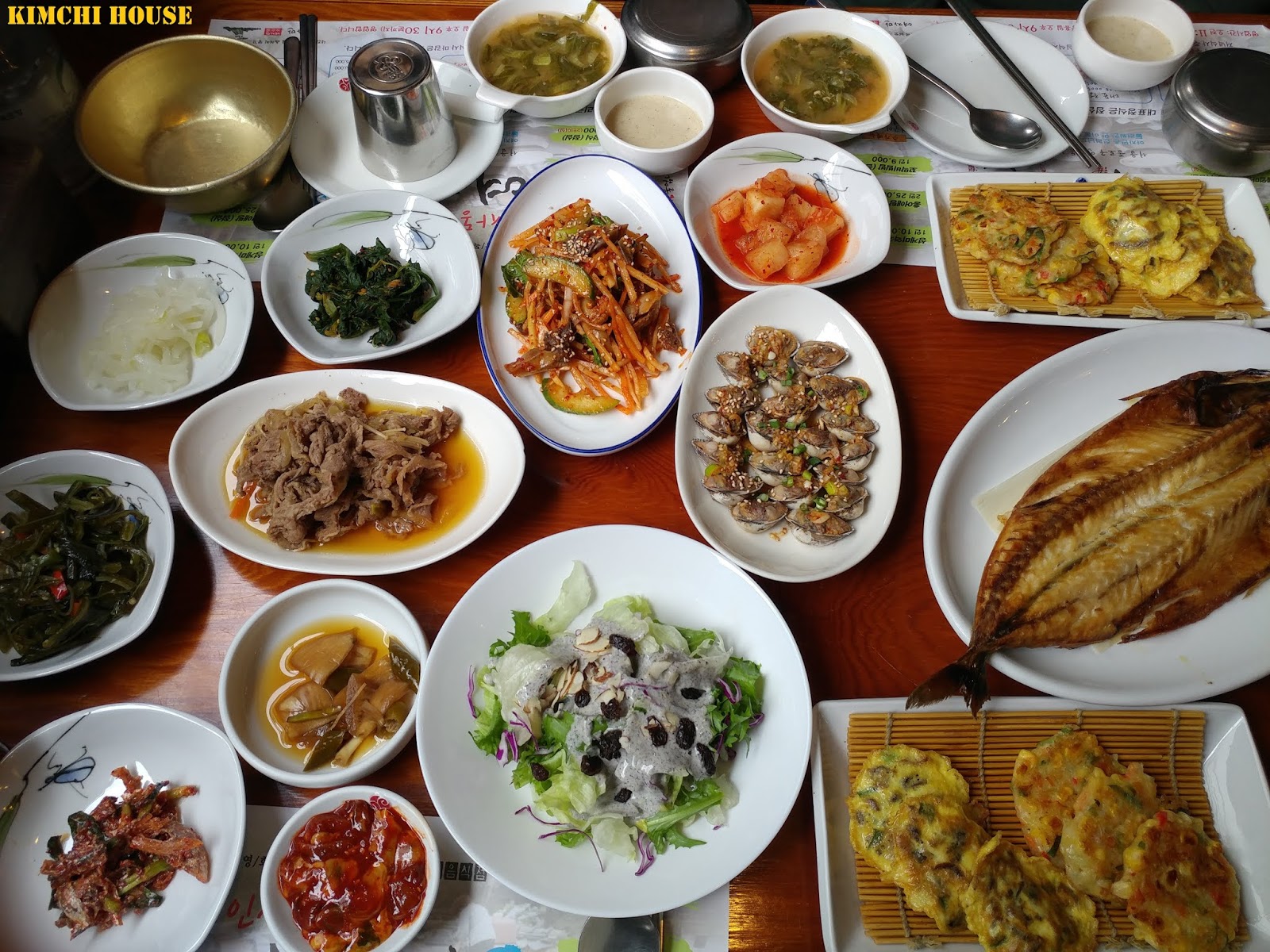
Blood Clam Han Jeong Sik/血蚶韩定食/꼬막 한정식


In Korea, blood cockles are called kkomak (꼬막) and are cooked and seasoned with soy saucechili powder, and sesame oil. Korea's blood cockles are priced higher than that of other countries as it is known for the best quality
泥蚶(學名:Tegillarca granosa),俗稱血蚶銀蚶花蚶粒蚶血螺瓦壟哈螄蚶等,韩文称为” kkomak"


Dear friends, I believe that most of you have visited Insa Dong in Seoul. Have you ever enjoyed your meal at the "여자만 /汝自湾“ ,han jeong sik restaurant(Korean cuisine restaurant) in Insa Dong? There are two "여자만/汝自湾" restaurants in Insa Dong, I recommend you to visit the head restaurant instead of the branch. In fact, these two restaurants are not far away from each other~~

亲爱的朋友们,我想大家曾到访位于韩国首尔的仁寺洞吧。 您可曾到过"여자만 /汝自湾“ ,韩定食餐馆用餐呢?在那有两间"여자만 /汝自湾“ , 我推荐您到总店去享用。 事实上,总店和分店的距离相差不远~~

"Han Jeong Sik", a full -course Korean meal with a varied array of banchan (side dishes).
Korean cuisine is largely based upon ricevegetables, and meats. Traditional Korean meals are noted for the number of side dishes (banchan) that accompany steam-cooked short-grain rice.Kimchi is served often, sometimes at every meal. Commonly used ingredients include sesame oil,doenjang (fermented bean paste), soy sauce, salt, garlic, ginger, pepper flakes and gochujang(fermented red chili paste).
Ingredients and dishes vary by province. Many regional dishes have become national, and dishes that were once regional have proliferated in different variations across the country.
(source: wikipedia)

"Han Jeong Sik"/韩定食,是韩国传统套餐,含有各种不同种类的小菜(banchan).
韩国料理中多以米食為主食,另有麵食蕎麥、菜、肉等,除了炊煮熟食的飯之外,另外常伴隨熱湯同食。而冬天,醃製的韓國泡菜是飯桌上常見的配菜,以白菜、萝卜、黃瓜等各食材發酵而成,種類齊全而成為飯饌(반찬)。
佐料方面,多用麻油醬油等,尤其大蒜的食用普遍。
烹調方面,由於受氣候影響,必須依季節而有調整。冬天寒冷農作物不興,蔬菜難以生長時必須仰賴泡菜、水泡菜、醬瓜等傳統醃製菜,這些醃製菜通常在入冬前被佐以巴、辣椒等塗抹再放在大中存放,現代後有些醃製品改用玻璃罐擺在屋內。(source: wikipedia)


Monday, February 18, 2019

Dear friends, do you know why Korean have to eat peanuts & walnuts on the eve of 15th Jan of Lunar calendar ?


Dear friends, do you know why Korean have to eat peanuts & walnuts on the eve of 15th Jan of Lunar calendar    ?                                                                                                                                             
                                                                                                         

On the eve of lunar calendar Jan 15, Korean will take walnuts and ground nuts too. According to the traditional custom, after eating nuts, this will prevent to get skin disease; Korean will also drink a cup of            wine, in order to have good hearing through out the year                                                                                            

韩国人在元宵节前夕,家家户户也都会准备花生和核桃。根据传统习俗,吃了它,一年平安免生皮肤病;也会喝一些酒,一年内,听觉灵敏。                                                                                                           

Sunday, February 17, 2019

五谷饭/Rice with five grains / 오곡밥~~2019

五谷饭/Rice with five grains / 오곡밥...2019

On the Daeboreum (literally "Great Full Moon") is a Korean festival that celebrates the first full moon of the new year of the lunar Korean calendar.
Daeboreum (literally "Great Full Moon") is a Korean holiday that celebrates the first full moon of the new year of the lunar Korean calendar which is the Korean version of the First Full Moon Festival. This holiday is accompanied by many traditions. This year, it falls on the 19th Feb 2019.
For breakfast on Daeboreum, Ogokbap (오곡밥 / 五穀밥), a five-"grain" rice consisting of rice, millet, Indian millet, beans, and red beans is served . This is eaten with various dried herbs. One of the special foods of Daeboreum is Yaksik (약식 / 藥食). This treat is made of glutinous rice, chestnuts, pine nuts, honey, sauce, and sesame oil. Also there is drinking for Daeboreum. It called 'Ear-quickening wine(귀밝이술)'. This alcohol means that if someone drank this alcohol, he or she would be quick to hear and hear good news for one year.
One familiar custom is to crack nuts with one's teeth. It is believed that this practice will help keep one's teeth healthy for the year.
In the countryside, people climb mountains, braving cold weather, trying to catch the first rise of the moon. It is said that the first person to see the moon rise will have good luck all year or a wish will be granted.
Historically, people played the traditional game named Jwibulnori (쥐불놀이) the night before Daeboreum. They burned the dry grass on ridges between rice fields while children whirled around cans full of holes, through which charcoal fire blazed. These cans fertilized the fields and got rid of harmful worms that destroyed the new crops.
大滿月(朝鮮語:대보름),全稱正月大滿月(朝鮮語:정월대만월)、正月大보름(朝鮮語:정월대보름,「보름」為固有詞,月圓、望日之意),是朝鲜的傳統節日,又稱上元(상원)、元宵(원소)、元夕(원석)、烏忌日(오기일),每年農曆正月十五舉行,當天有很多慶祝活動。
在這一天人們食用各種應節食品,包括五穀飯、藥食、乾菜等。人們早上空腹喝「耳明酒」,祈求不生耳疾,又可以一年都聽到好消息。然後嚼醉乾果再吐出來,相傳可以治皮膚病。其他還有用紫菜或蔬菜包飯吃(稱為福裹),以及用牙咬開堅果以鞏固牙齒。
在郊外,人們會冒寒風爬山,第一個看見月亮的人會得到好運或達成願望。他們會串門,向鄰人「賣熱」,以期望涼快的夏天。晚上又會焚燒用松樹枝條堆成的「月亮屋」。在節日前夕農民也會在阡陌上焚燒乾草,給土地辟蟲添肥,這兩種都是源自點火把驅蟲祈福的習俗。放風箏象徵不幸隨風而逝,而婦女們則會玩踩橋的遊戲。
정월 대보름(正月 大보름) 또는 대보름은 음력 1월 15일로, 오기일(烏忌日)이라고도 하며, 한자어로는 '상원(上元)'이라고 한다. '상원'은 도교적인 명칭으로, 삼원(상원, 중원, 하원) 중 첫 번째이다. 새해 들어 처음 맞이하는 보름날로서 농사의 시작일이라 하여 매우 큰 명절로 여겼다. 대보름 전날인 음력 14일과 당일에는 여러 곳에서 새해의 운수에 관한 여러 풍습들을 행한다.
대보름에 차려 먹는 절식으로는 부럼·귀밝이술 외에도 약밥·오곡밥·묵은 나물과 복쌈 등이 있다. 또 고사리·버섯·오이고지·호박고지·가지껍질·무시래기 등 햇볕에 말린 묵은 나물을 물에 잘 씻어서 먹으면 여름에 더위를 먹지 않고 건강하게 지낸다고 한다.
부럼 - 정월 보름날 새벽에는 부스럼이 생기지 말라는 의미에서 밤·잣·호두 등 단단한 견과류의 부럼을 먹는다. 이때 부럼(주로 밤의 껍질을 직접 깨물어 먹음.
오곡밥 - 쌀, 보리, 조, 수수, 팥 등의 다섯 가지 이상의 곡물을 섞어 지은 오곡밥을 먹음.
진채식 - 무, 오이, 호박, 박, 가지, 버섯, 고사리 등을 말려둔 것을 먹는다. 여러 집에서 아홉 가지 나물을 아홉 번, 또는 열 가지 나물을 먹기도 함.
약밥 - 물에 불린 찹쌀을 시루에 찐 뒤 꿀이나 설탕·참기름·대추 등을 쪄서 거른 것을 섞고, 다시 진간장·밤·대추·계피·곶감·잣 등을 넣어 시루에 찐 밥을 말함.
복쌈 - 밥을 김이나 취나무, 배추잎에 싸서 먹는다. 여러개를 만들어 그릇에 높이 쌓아서 성주님께 올린 다음 먹으면 복이 있다고 함.
귀밝이술 - 보름날 새벽에 데우지 않은 찬술을 남녀구별 없이 조금씩 마심.
솔떡 - 솔을 깔고 떡을 쪄서 나누어 먹음.
대보름날에는 세 집 이상 성이 다른 집 밥을 먹어야 그 해의 운이 좋다고 하였다. 그래서 하루 세번 먹는 밥을 이 날은 아홉 번 먹어야 좋다고 믿음.
( sources : wikipedia )


Sunday, February 3, 2019

새해 복 많이 받으세요~~2019


                                                     Dear friends,
                                                   "Happy & Prosperous Lunar New Year"
                                                  恭祝大家”千祥万福 富贵年年“
                                                  새해 복 많이 받으세요
**
Harvested the calabash, bottle gourd, or white-flowered gourd in autumn, dried and painted the golden color.


Monday, December 31, 2018

Happy & Prosperous New Year/新年快乐/새해 복 많이 받으세요


Happy & Prosperous New Year for all the friends / readers....
恭祝大家 “新年快乐,万事如意”
2019 새해에도 항상 건강하시고 행복하세요~~

Thursday, December 27, 2018

与鸟儿们分享的喜悦/ Joy of Sharing with birds~~

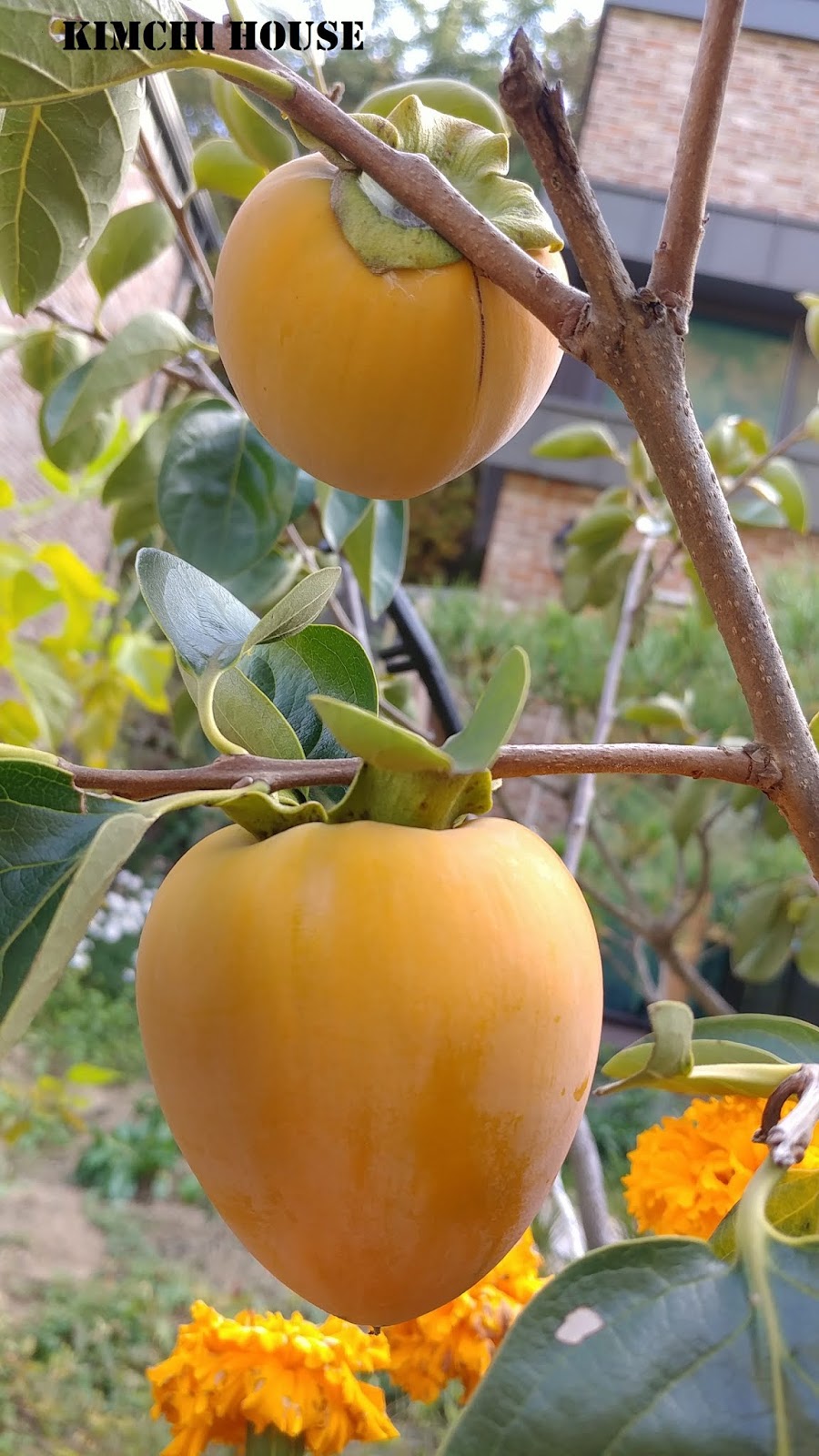
在今年春天栽种的大峰柿子, 虽然树龄还小,在秋季也结了好几粒的柿子。
树上的柿子,我们不曾采下,全让鸟儿们来啄食。 今年就让鸟儿们过个足食的冬天~~
照片中的柿子,其形状是呈 “心形”,而非一般圆形的柿子。这柿子必须在完全成熟后,或果肉完成变得软绵绵的时候才可食用,否则,其果肉会含有胶汁,和苦涩,难以嚥下。(wikipedia)


这是在秋季,第一粒被鸟儿们啄食的柿子! 鸟儿们还可真聪明,从底部先着手,他们就可以慢慢的飞来啄食,柿子也不会掉下来~~


一天过一天,一整粒的柿子,内部的果肉几乎被啄空了~~·


突然有一天,柿子完全被啄食个清光~~


秋去冬来,在低温的天气,柿子被冻结了;高温的时候,柿子又被解冻。当解冻的时候,鸟儿们又来光顾了~~
在严寒的冬天,能让鸟儿们歇下脚步来啄食,这也是分享吧~~


哈哈,看着这果肉的色泽,似乎是蛮好吃的~~


树上所结的果子并不多,也被吃的七七八八了! 鸟儿们,明年的春天,期待着你们吱吱的叫声唤醒每一天的清晨~~